Wisconsin is a major food producing area. It produces more cheese than any other place in America. Also, Green Bay has a long history of being a meat processing centre and even the city’s football team is named after it. People labour away for many hours in large, often damp and busy facilities to slice, mince, cook and package goods. Although this is tough work it is rarely associated with deafness. However, those who have worked for many years on a kill floor, processing line or in a cheese packaging area could well have suffered more extensive ear damage than they think.
Table of Contents
Wisconsin’s Meat and Cheese Plants
The food industry is one of Wisconsin’s key manufacturing sectors. Alongside major red and white meat processors, there are also sausage and meat snack producers. Further to this there are also poultry companies and well in excess of 100 cheese processors – both small family-run and massive round the clock sites. Then throw in whey and butter processing and a range of dairy component manufacturers and we begin to appreciate just how many people are employed in areas that most of us will never even visit.
Many are passed down through families. In addition, new families can also move in and establish themselves within towns such as Green Bay, Plymouth, Cudahy and the smaller dairy towns that exist in between. People frequently work within these roles for many years. It is precisely this prolonged period of time that results in people suffering from noise induced hearing loss – typically without realising it.
Where the Noise Comes From
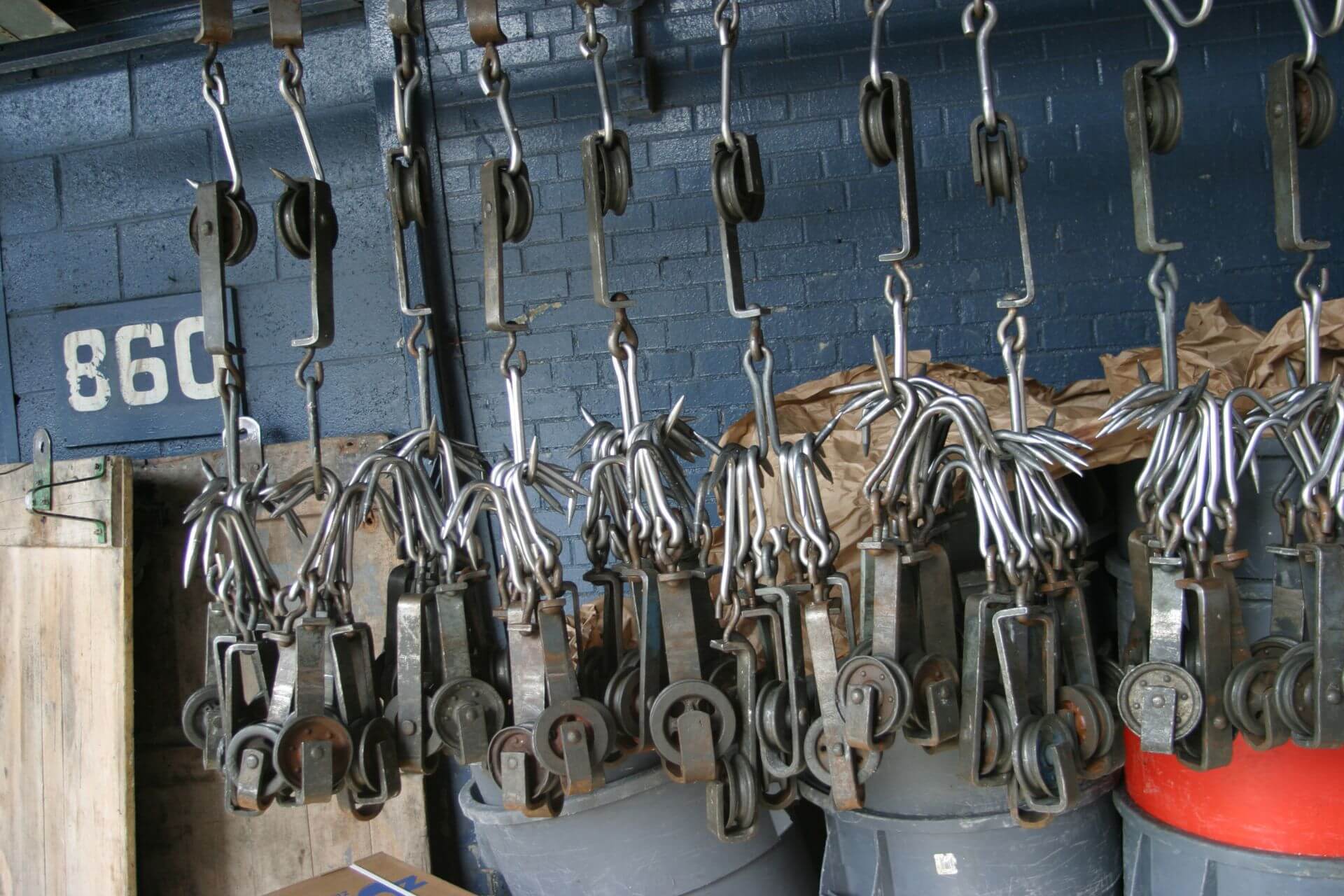
Even though a red meat or cheese factory does not produce a number of big explosions like a foundry, there is still a continuous level of noise. Throughout the day and night, band and bone saws, grinders and pneumatic cutters are in action. Chain driven conveyor belts also make a noise and the stainless steel work tops and walls reflect this. Large ammonia based cooling compressors are then in operation in the background to ensure items are kept at an appropriate temperature. Finally, further equipment such as vacuum sealing, shrinking and packing machinery is also used within the packaging section.
Dairy processing equipment is always in use. Processing and packaging all occur within a factory and often the packaging area is one of the noisiest. Packaging lines include machinery for slicing, wrapping and casing. There are frequently areas in food factories which are 85 decibels or above – the level at which NIOSH suggests people should be restricted from being exposed. Some areas can even exceed 90 decibels. Combined with working shifts of 8, 10 or 12 hours, and extra hours during peak periods, noise exposure can build up rapidly.
Cold, Wet, and Hard to Protect
There are issues around providing suitable hearing protection in food manufacture. Staff often dress in several items which include hoods, hairnets, high visibility clothing and helmets. Ear muffs can be difficult to don over this and can be very uncomfortable to wear in the cool environment. Foam earplugs are an alternative, however, it is not always easy to insert these into people’s ears especially if they are wet or wearing gloves. Furthermore, if the earplug is not inserted properly its effectiveness is limited.
Alongside this there are also food hygiene concerns. Food manufactures have to ensure that no foreign objects contaminate their products. For this reason many food plants provide staff with earplugs that include metal so that they can be detected and often these are on a string. Although sensible, this then prevents individuals from choosing their preferred type of earplug. When all these factors are analysed it is clear why numerous members of staff within food manufacture only choose to wear hearing protection at certain times. This is by no means indicative of poor practice. But it can suggest that actual exposure levels may be greater than those shown on documentation.
The Night Shift Nobody Thinks About
Once production has finished for the day, the cleaning team enter. This is also one of the noisiest areas within a plant. Team members dismantle machinery, spray high pressure water across all areas and utilise both foamer and pumping equipment. As the walls and floors are both steel and concrete, there is nowhere for sound to be absorbed and it continually reflects around the area and back at the team.
Cleaning staff are frequently employed via contract and are required to work at night. For this reason they can often avoid a plants’ hearing protection scheme. Occasionally people will never even undertake an initial hearing test. Even if you have never been scheduled for production work, if you carry out cleaning then your noise exposure should still be considered and investigated.
How Hearing Loss Shows Up
Often people are unaware they are suffering from noise induced problems. People may begin to turn up the volume on their television and even fail to realise that they have been dozing through meals. In addition, in a noisy environment, talking can become tiring and on the telephone high-pitched sounds such as those made by women and children can become distorted.
Many people working in the plant industry suffer from either tinnitus or a feeling of ‘humming’ in their ears. This is often experienced following a long or over-oughter working period. Again, for some people this disappears by the following morning; however for others it is a constant issue. Tinnitus should not be ignored as it can be an indicator that someone’s inner ear has already been affected. Should you recognise any of the above then a straightforward hearing test can be undertaken. Not only is this painless but it will also provide an accurate assessment.
Workers’ Compensation for Food Plant Hearing Loss in Wisconsin
Workers’ compensation may be available if your deafness has been caused or made worse by working in a noisy environment. Even if you are not completely deaf, if your deafness is work related then compensation can be claimed.
Whilst work is not necessarily the sole cause of your deafness, for example age and/or pastimes can also be cited, if over many years you were exposed to the noisy environment of a plant then this will still be relevant. Compensation can be received for hearing aids and additional medical expenses together with payments for ongoing deafness.
Should your plant carry out annual hearing tests then these can be extremely useful in demonstrating a progressive decline in your hearing whilst working in such a place. Furthermore, even if English is not your preferred language, you can request an interpreter to be present for your hearing assessment. This will ensure that nothing important is missed.
What Plant Workers Can Do Next
If you have previously worked in a Wisconsin abattoir or dairy and suffer from hearing issues then firstly visit an audiologist for a hearing assessment. Whilst memories are still clear, compile a list of your employment history including the various sites you have worked at, and the roles undertaken along with approximate dates. Consider what within your place of work was most noisy (for example saw, grinder, packing and cleaning areas) and honestly assess how regularly you were able to use hearing gear in the cold environment. Include copies of previous hearing assessments should you possess these, either from your employer or trade union.
Do not automatically think that it is too late to act if you are no longer working at a site or have even retired. Often it is during retirement that individuals realise how much they have lost in terms of their hearing, as the constant plant noise no longer surrounds them. Those responsible for providing the State’s food really should be aware of their entitlements. Usually, establishing your position is an ideal initial move if you feel that plant noise has impacted upon your hearing.
Sources:
- CDC/NIOSH: Noise and Occupational Hearing Loss
- NIOSH: Criteria for a Recommended Standard: Occupational Noise Exposure
- OSHA: Occupational Noise Exposure Standard (29 CFR 1910.95)
- OSHA: Meat Packing Industry Safety and Health Topics
- Wisconsin Department of Agriculture, Trade and Consumer Protection: Wisconsin Dairy and Cheese Facts
- Wisconsin Department of Workforce Development: Workers’ Compensation Occupational Disease Provisions
Contact Us
If you, or anyone you know, worked in noise and suffers from hearing loss, please do not hesitate to contact us.
Contact Us